We use the internet every single day, but do we really know how it works? Understanding the internet isn’t just for tech experts. It’s for all of us who rely on it for learning, connecting, and creating.
In this article, we’ll break down how the internet works, how search engines help us find what we need, and how SEO makes websites stand out. Let’s explore why knowing these basics is key in today’s digital world!
The Internet and IP addresses: Connecting the world
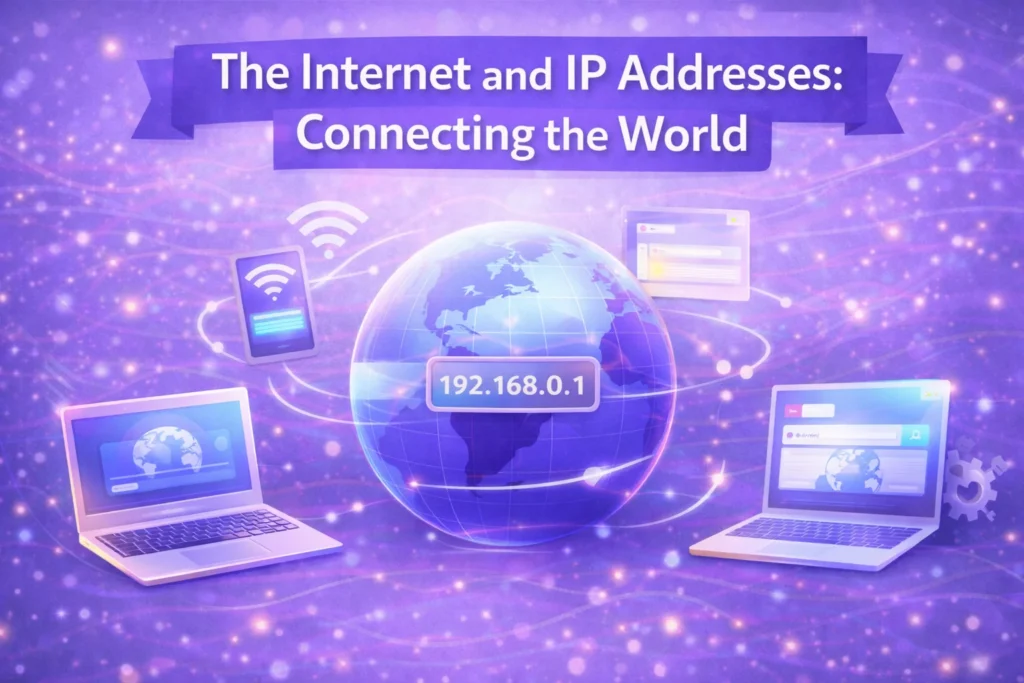
The internet connects us all, and every device has a unique IP address, like a digital home address. These IP addresses help computers find and communicate with each other across the globe. Without IPs, we’d be lost in the digital universe!
ISP and VPN: Gatekeepers and workarounds
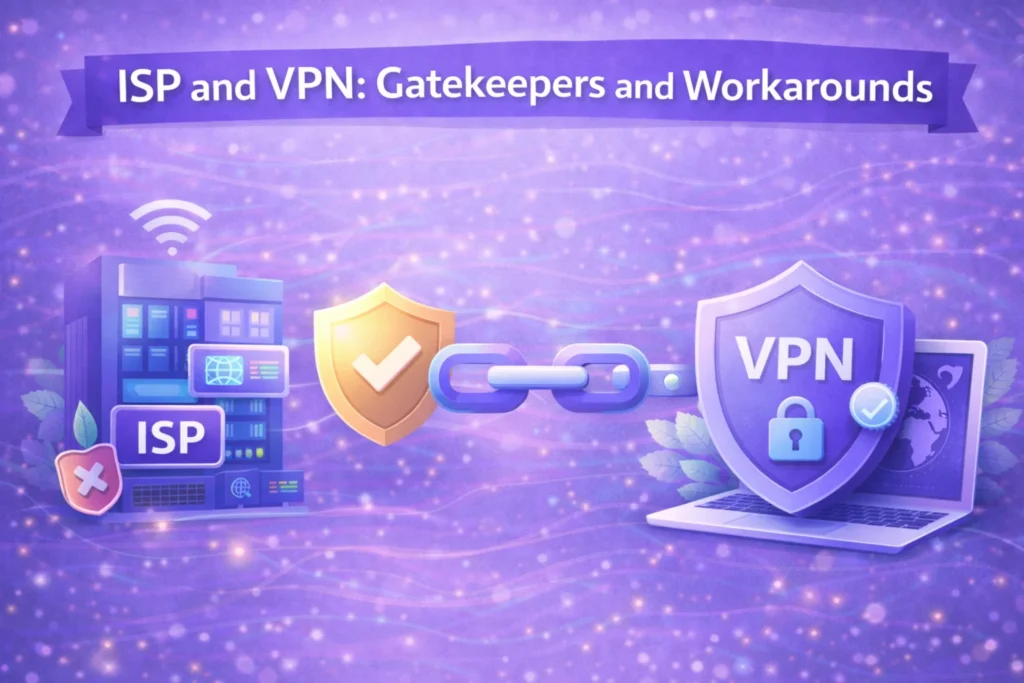
Internet Service Providers (ISPs) act as the gatekeepers of our internet access. They provide the connection between our devices and the vast world of online content. However, sometimes they restrict access to certain websites or services whether due to regional policies or other reasons.
This is where VPNs (Virtual Private Networks) step in as clever workarounds. A VPN reroutes your internet traffic through a different server, often in another location, masking your IP and bypassing restrictions. Essentially, while the ISP may block your direct route, a VPN opens up a hidden path letting you reach the content you need.
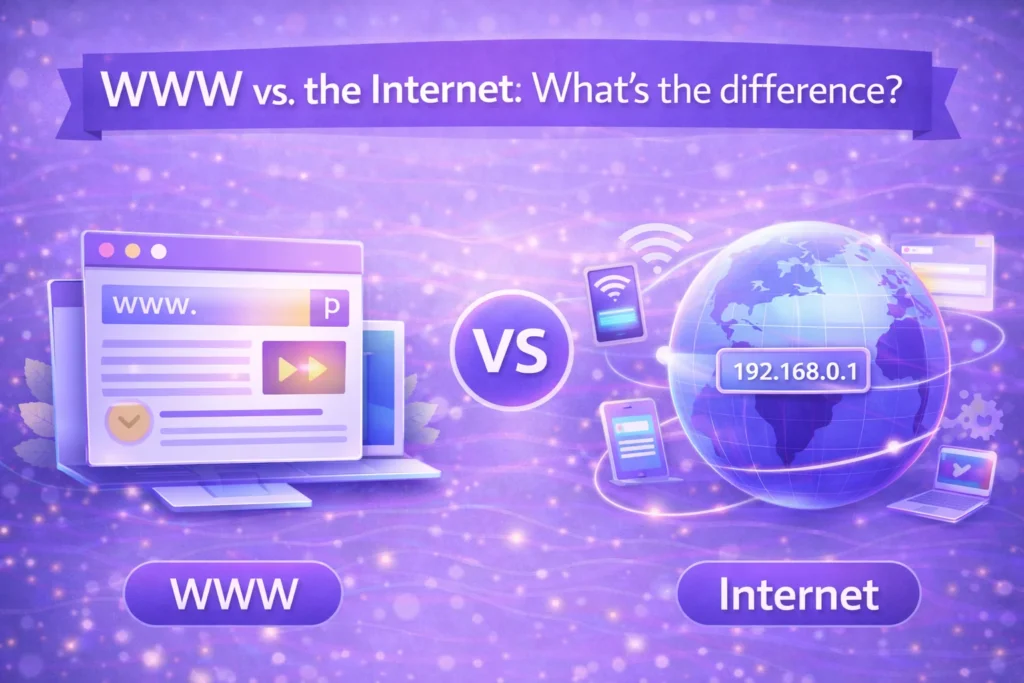
WWW vs. the Internet: What’s the difference?
The World Wide Web, or simply the web, is what we browse websites, pages, and hyperlinks accessed via browsers. It’s the content we typically think of when we “go online.”
On the other hand, the internet is the whole infrastructure connecting not just websites, but also emails, messaging, file transfers, and more. While the web is a huge part of the internet, it’s not the whole story there’s a lot more happening behind the scenes!
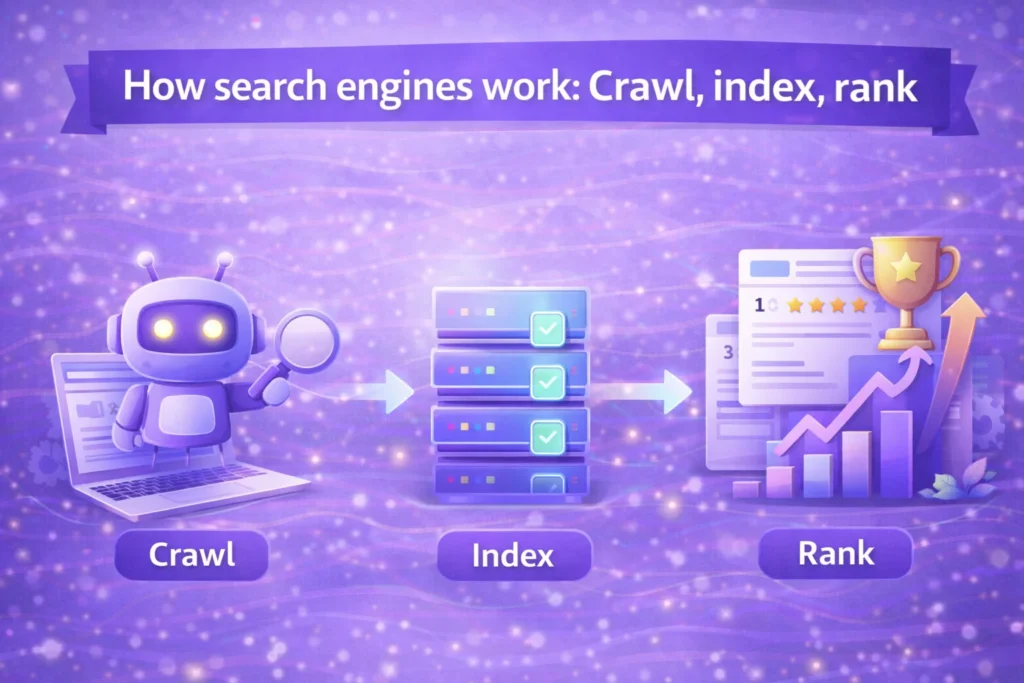
How search engines work: Crawl, index, rank
Search engines work by navigating the web, storing information, and deciding what content is most relevant.
Crawling: Search engines send out bots (or spiders) that follow links across websites, discovering pages.
Indexing: The discovered pages are stored in a vast database, organized so they can be found quickly.
Ranking: When you search, the engine decides which pages are most relevant, ranking them based on quality and relevance.
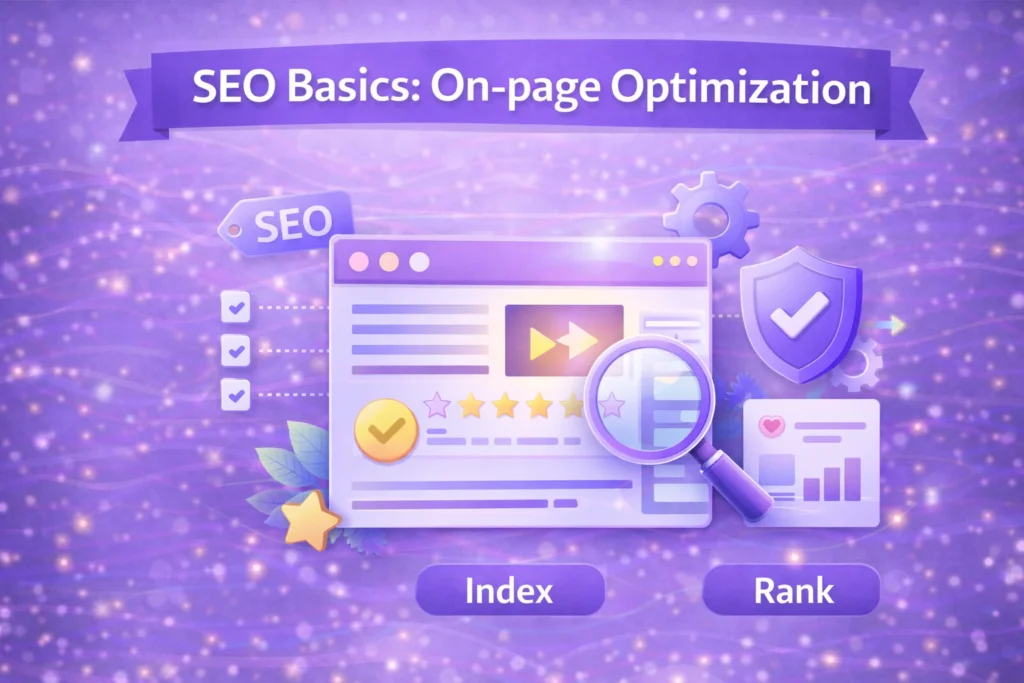
SEO basics: On-page optimization
The first step in on-page SEO is crafting clear, keyword-rich titles that reflect what users are searching for. Headings should follow a logical hierarchy (H1, H2, etc.), guiding readers and search engines alike through the page’s content.
Beyond structure, on-page optimization focuses on high-quality, informative content. Meta descriptions provide a summary, while optimized images and fast page speeds improve user experience. Together, these elements help pages rank better and keep visitors engaged.
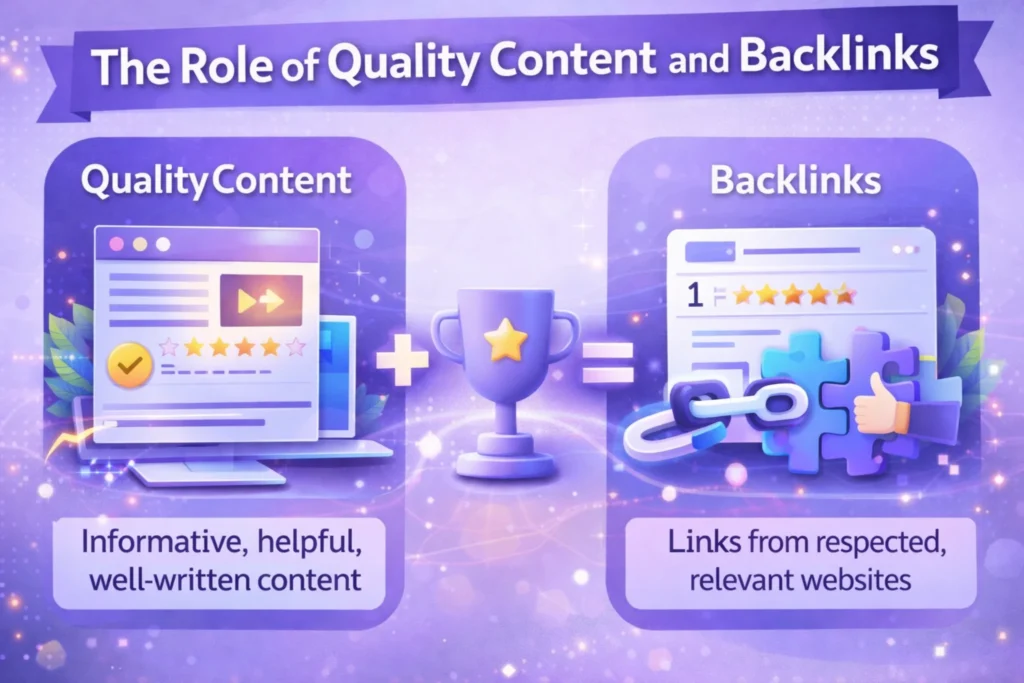
The role of quality content and backlinks
Quality content is the backbone of any strong website. When your content is valuable, informative, and engaging, users stay longer and search engines reward it. Consistently answering user intent keeps both readers and rankings high.
Backlinks act like votes of confidence from other trusted sites. When reputable websites link to yours, search engines view your site as more authoritative. Together, high-quality content and natural backlinks are a winning pair for SEO success.
Conclusion: Navigating the Digital World.
Understanding the internet, search engines, and SEO empowers us to navigate the digital world effectively. By grasping how connectivity, content, and optimization work together, we can make smarter digital decisions.
In this fast-paced online environment, a strong foundation in these basics ensures we stay visible, relevant, and ready for whatever comes next.